
Step 1: Choose the pain
Revenue conversations, content growth, or executive support. Start where the business feels the cost most clearly.
This is what you will experience after choosing a system: a calm install, clear approvals, visible proof, and No blind automation.
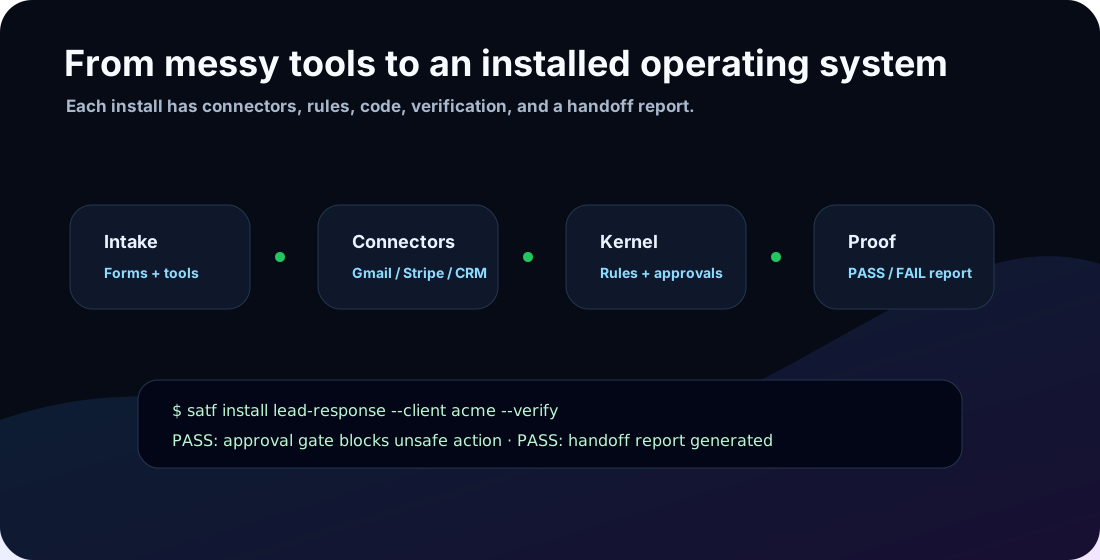

What you will experience
Revenue conversations, content growth, or executive support. Start where the business feels the cost most clearly.
Business rules, approval owner, timezone, intake sources, draft channels, alert channels, and the first test scenario.
Approved voice, offers, FAQs, policies, contacts, proof, and preferences keep the system grounded.
Connect intake, drafting, alerts, approval gates, logs, and evidence.
Require success=true, fail=0, worldClassScore ≥ 95, and a fresh traceId.
You see what was installed, what it refuses to do, and how to recover if something fails.
The first real action is manual. Scale only after trust is earned.
Choose the install
Best when missed replies, inconsistent support answers, slow quote follow-up, or weak prospecting discipline are costing the business revenue.
Best when the business has valuable knowledge but no consistent way to turn it into visible, useful, revenue-supporting content.
Best when an executive needs the leverage of an assistant without giving up control of commitments, calendar changes, spending, or final sends.
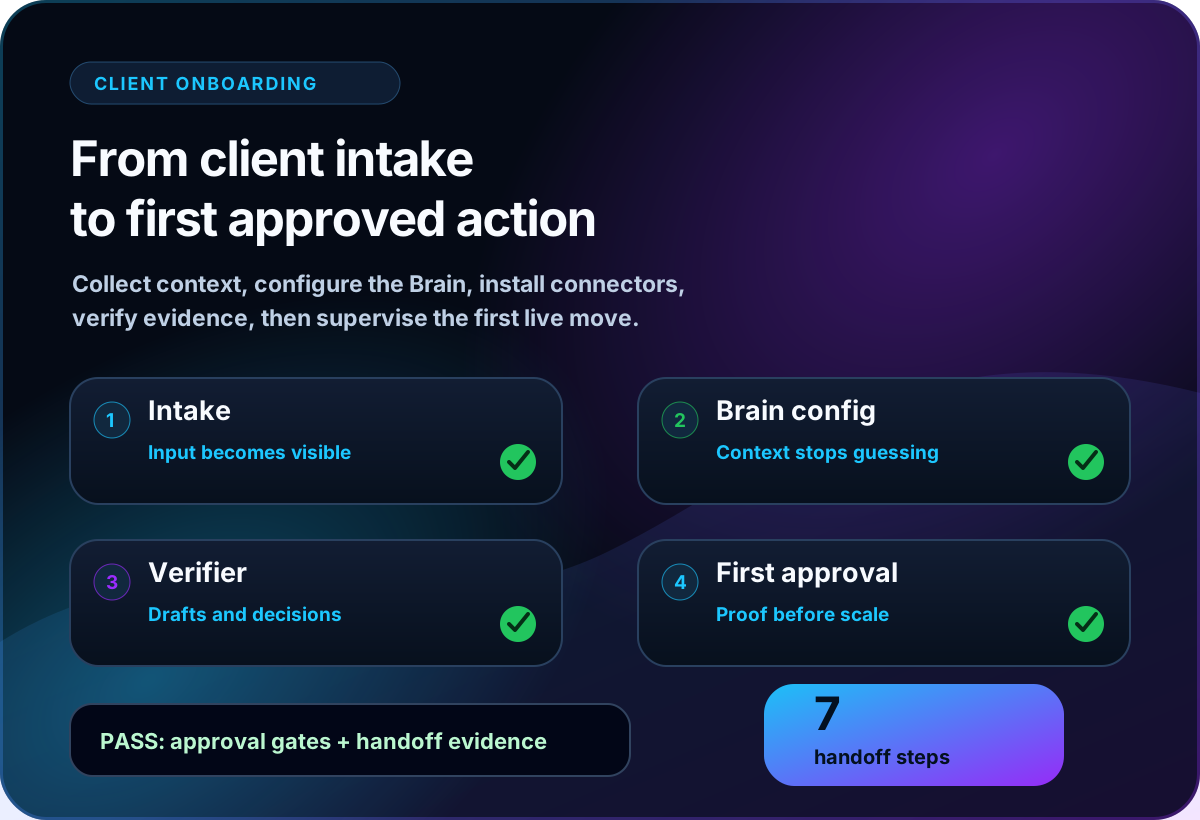
This is the paid delivery path: intake, Brain configuration, connector setup, verification, and first approved action.
Choose packageNext step
Review pricing after you understand the install process and pick the system that removes the biggest bottleneck.